Working Groups
Interrogating the Changing Research/Clinical Interface as Novel Genomic Technologies are Implemented

Historically, in order to protect research participants, there has been a deliberate and distinct boundary between clinical care and research. Clinical care is designed to improve the health or well being of patients and research is designed to contribute to generalized knowledge for the benefit of the population and future patients. There is considerable evidence of the inability of research participants to understand this distinction, termed the “therapeutic misconception.” With Whole Genome Sequencing and the increase in incidental findings, the debate about what constitutes an unacceptable blurring of the line between research and practice has become more complex.
CT2G is convening an interdisciplinary working group that examines the benefits and risks to blurring this line in a genomics context and discusses policies and strategies for dealing with these challenges.
The Social and Scientific Impact of Precision Genomic Medicine Interventions Targeted by Race/Ethnicity or Gender
Some clinically significant genetic variants are sex or bio-geographic- ancestry specific, a feature that can affect clinical impact. We know little about how patients in health care systems respond to therapies or screening programs that inquire in detail about race or ethnicity. Concrete examples from clinical testing and research results will be used to address the social and ethical dimensions of using such targeted information in clinical translation.
CT2G is convening an interdisciplinary working group that selects specific case studies and addresses their social and ethical dimensions.
Community Governance and Genomics
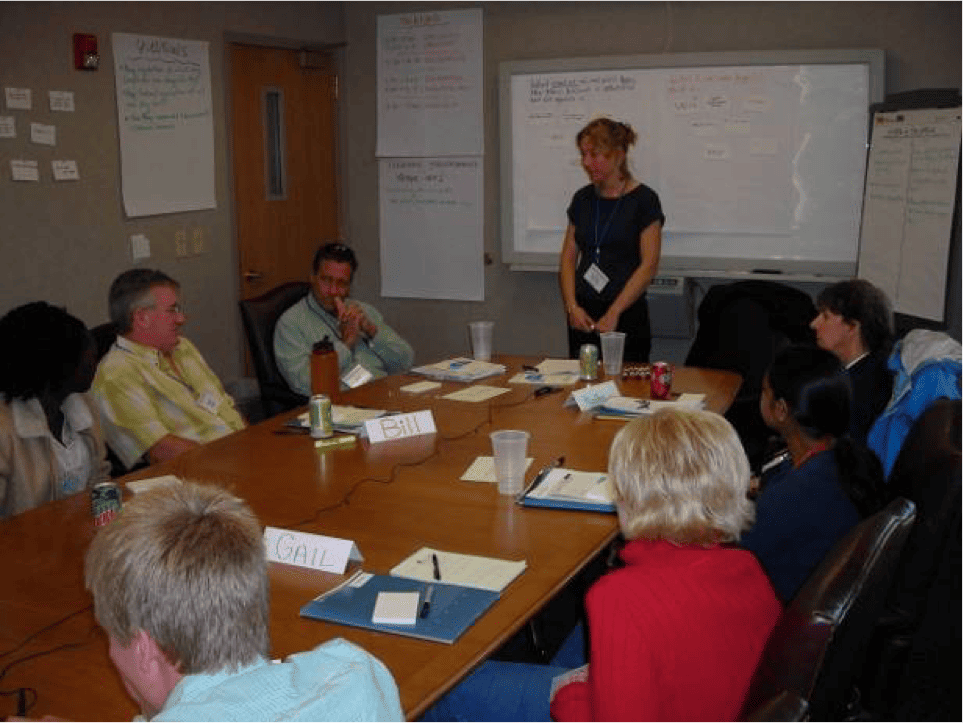
The translation of research into clinical care creates an ongoing set of challenges in governing the use of genomic data both in research and clinical care. The risks and benefits of blurring the line between research and clinical care are complex, and the responsibilities of clinicians and researchers may be different. As genomic technologies are rapidly changing, and existing participant protective mechanisms, such as informed consent, are proving to be inadequate to meet increasingly uncertain future risks, it is necessary to create adaptive governance practices. Procedures are needed that can address new issues as they arise, not only in research but also in the clinical setting. Critical issues include return of results policies and the role of communities in ongoing governance.
CT2G is convening an interdisciplinary working group to focus on creating best practices for community engagement and adaptive governance of whole genome data used in research and practice.